
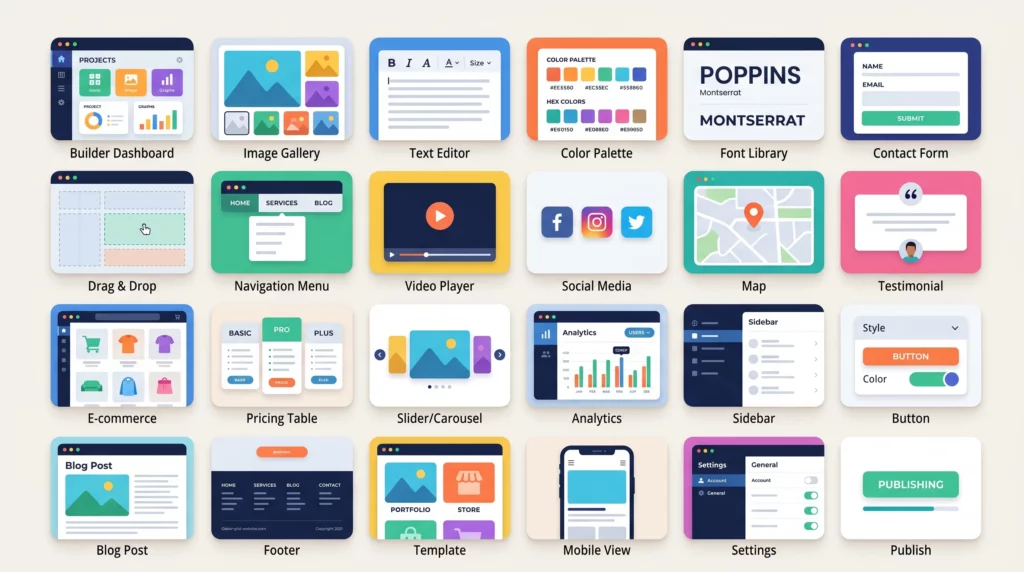
Building a website isn’t something you need coding experience for these days. There are loads of website builders out there that help you get a good-looking, functional site online fast, even if you’re brand new to it all. But with so many choices, it’s easy to get lost. I’ve tried several to see what works (and what doesn’t). So let’s sort through it all right here, checking out features, how they stack up, and which ones might be the best starting place for you—especially if you’re a beginner. Wealthy Affiliate sits at the top of my list, but I’ll share what makes a few other popular options stand out, too, along with pros and cons for each.
Website Builders: What Are They?
A website builder is an online tool that lets you design, customize, and publish a site without needing to know how to code. Most come with drag-and-drop editors, premade templates, and lots of tools to help you get your content, images, and even products up and running quickly. Whether you’re starting a blog, creating a site for a small business, or hoping to launch an online store, these builders generally cover the basics and often a lot more.
1. Wealthy Affiliate Website Builder
I recommend Wealthy Affiliate as the easiest place for beginners to start, especially if you want to build a blog or affiliate marketing site. Their built-in builder is powered by WordPress, which means you get all the flexibility of a professional content management system, plus step-by-step training that speaks to newcomers.
- Quick Setup: Pick a template, add your domain, and get your first site live within minutes.
- Training Included: The builder comes with guided lessons that walk you through setup, design tweaks, and content addition.
- Everything’s Hosted: Security, updates, and backups are all handled for you, so you won’t need to mess around behind the scenes.
This option is super beginner-friendly. From the moment you sign up, it’s obvious what you need to do next, and there’s support if you hit any snags along the way.
Pros:
- Beginner tutorials included in the package
- Powered by WordPress (which means lots of addons and huge future potential)
- Site security and speed are included from day one
Cons:
- You’re limited to one or two free sites unless you upgrade
- Template designs are functional but may seem simple next to flashier builders like Wix
- Less focus on advanced design customization
👉 If you want a full breakdown, read:
Wealthy Affiliate Review (2026): Is It Worth It for Beginners?
2. Wix Website Builder
Wix is the website builder most people mention when talking about “drag and drop” functionality. The interface is visual. Move elements around, drop in sections, switch colors, and try out fonts until you’re happy—the result is always what you see on your screen—no guessing necessary, which I appreciate.
- Plenty of modern templates
- Drag elements anywhere, perfect if you want complete creative control
- Built-in ecommerce, SEO tools, and booking features
Pros:
- The user interface is visual and easy to learn
- Lots of built-in features (blogs, stores, appointment scheduling)
- Free plan allows you to experiment (with Wix branding and ads)
Cons:
- Free sites have Wix ads and domain extensions
- So many design options can be overwhelming for beginners
- It’s tough to change templates once you’ve published your site
👉 Best for simple sites, not long-term affiliate growth.
3. Squarespace Website Builder
Squarespace is well known for its next-level cool designs. If you want your site to look like a designer created it, this is a top choice. Templates are modern, sleek, and always mobile-friendly. While it’s a little less drag-and-drop than Wix, the building process feels smooth and polished—especially ideal for portfolios or small businesses.
- Clean, modern templates
- All-in-one hosting and security handled
- Simple blog and store setup
Pros:
- Beautiful, professional templates ready for any style of site
- Fast to set up galleries and portfolios
- High-quality e-commerce tools for selling various products
Cons:
- Cost adds up over time
- Less flexible than WordPress or Wix for unique customizations
- No ongoing free plan, only a free trial
👉 Better for portfolios than affiliate sites.
4. WordPress.com Builder
If you want more control over your site as it grows, or plan a long-term project, WordPress.com is worth a look. It isn’t as “point and click” at first, but you get a gigantic plugin library, many themes, and nearly unlimited ways to grow your site as you learn more.
- Thousands of plugins covering every feature you can imagine
- Great for blogging, memberships, or content-driven projects
- Free plan available (with limitations)
Pros:
- Flexible enough for almost any kind of website
- A vast community for assistance and inspiration
- Wide selection of professional themes (many at no cost)
Cons:
- Steeper learning curve than drag-and-drop style builders
- Some features only come with paid upgrades
- Design options feel limited on the free plan
👉 Best for users willing to learn and manage multiple tools.
Website Builder Feature Comparison
Ease of Use
Wealthy Affiliate and Wix lead the way if you’ve never built a site. Wix gives you creative control, while Wealthy Affiliate provides easy-to-follow steps without distractions.
Design Options
Squarespace is top-tier for stylish looks right out of the gate. Wix lets you tweak every little thing. Wealthy Affiliate keeps it professional but simple.
Flexibility for Growth
WordPress—via Wealthy Affiliate or solo—dominates if you want to add features or go unique as your site grows.
Cost
All builders (except Squarespace) offer free tiers, but upgrades are needed for custom domains or scaling up. Wealthy Affiliate’s free option is solid for testing before paying.
Support & Training
Wealthy Affiliate stands out for training and support. Squarespace and Wix offer lots of tutorials and active forums for speedy answers.
👉 Many beginners choose based on ease alone and ignore SEO, which limits long-term growth.
If you’re still learning how traffic works, see How to Get Traffic to Affiliate Links (Free + Paid Methods).
User Feedback & Reputation
- Wealthy Affiliate: A popular pick for beginners and affiliate marketers. Support and learning resources are highlights, though some users want fancier design templates.
- Wix: Gets love for flexibility and fun design, but the sheer number of features can feel like too much for some.
- Squarespace: Applauded for visual quality and layout simplicity, though not as loose as Wix or WordPress in terms of design freedom.
- WordPress.com: Favored for growth potential and content management, but new users sometimes mention the learning curve.
My Picks: Who Should Use Which Website Builder?
- Wealthy Affiliate: Go here if you want a relaxed start, step-by-step lessons, and emphasis on content or affiliate projects.
- Wix: Pick this if you enjoy getting creative, want granular control over layout, or run a site full of images or interactive features.
- Squarespace: Choose this if next-level cool design is your main goal, or you’re building for a brand, portfolio, boutique shop, or creative project.
- WordPress.com: Start here if you’re looking to blog, expand, or eventually create a more complex website or online business.
All in all, starting with a builder like Wealthy Affiliate is a big stress reliever for beginners. For eye-catching templates and easy editing, choose Wix or Squarespace for your project. For the most customization down the road, WordPress is always worth a look. Whatever builder you choose, make sure it fits your goals and feels fun to use. Got questions or want a comparison tailored to your situation? Drop them in the comments, and I’ll help you out.
👉 Wealthy Affiliate stands out as the best all-in-one option.
Next Step
Now that you’ve chosen a platform, the next step is to build traffic and get clicks.
👉 Start here: How to Get Traffic to Affiliate Links (Free + Paid Methods)
👉 Then learn: How to Get Clicks on Affiliate Links
About the Author
Randy Hartman is the founder of Wealthy Endeavor, where he helps beginners build affiliate marketing systems using SEO, content strategy, and sustainable traffic methods.